
Did you know that Japanese mushrooms are taking the global culinary world by storm? Known for their incredible “Umami” (savory flavor) and rich nutritional value, mushrooms like Shiitake, Enoki, and Maitake are no longer just for Asian grocery stores—they are becoming staples in western kitchens.
Whether you are a vegan looking for a meat substitute or a food lover wanting to elevate your home cooking, this guide will introduce you to the most popular types of Japanese mushrooms and how to cook them perfectly.
Popular Types of Japanese Mushrooms & Their Flavor Profiles
① Shiitake (The King of Umami)
- Flavor/Texture: Rich, smoky, and meaty.
- Why it’s loved: It’s the most famous Japanese mushroom with global recognition. Dried shiitake is commonly used to make a deeply flavorful broth (Dashi).
- Best for: Grilling, Miso soup, and Nimono (Japanese simmered dishes).
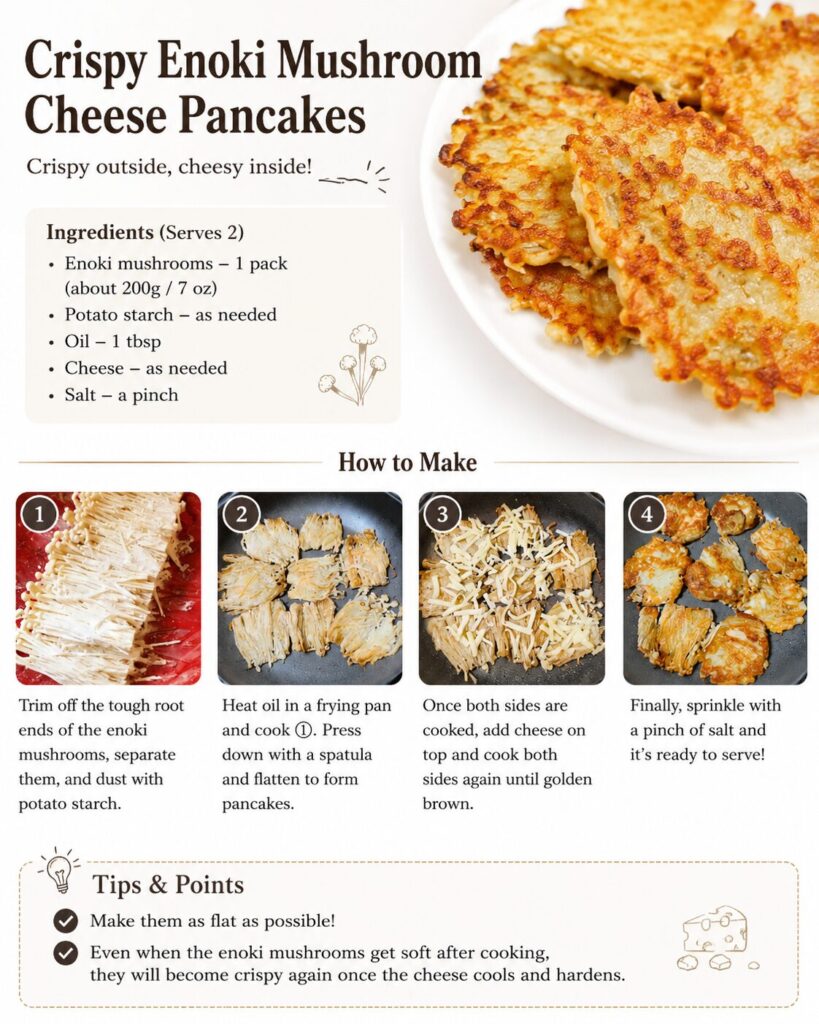
② Enoki (The Crunchy Golden Needles)
- Flavor/Texture: Features a uniquely delightful, crunchy texture.
- Why it’s loved: It became a massive viral sensation on TikTok as “Crispy Enoki.”
- Best for: Hot pots (Nabemono), Pan-fried crispy snacks, and Miso soup.
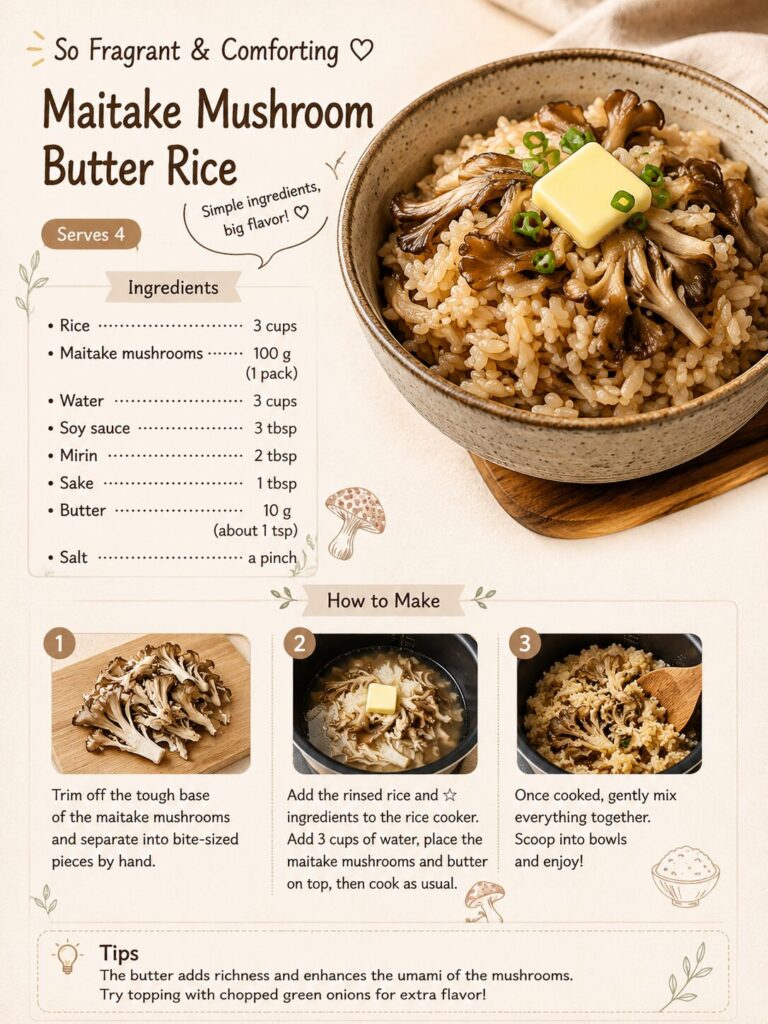
③ Maitake (Hen of the Woods)
- Flavor/Texture: Earthy aroma with a tender yet crisp bite.
- Why it’s loved: It has a unique ruffled appearance that absorbs flavors beautifully. It is also highly praised for its health benefits, particularly for boosting the immune system.
- Best for: Sauteing and Takikomi Gohan (Japanese seasoned rice).
④ King Oyster / Eringi (The Ultimate Meat Substitute)
- Flavor/Texture: Mild flavor, but has a thick, chewy stem that mimics the texture of seafood or meat.
- Why it’s loved: When sliced into rounds, it looks and tastes exactly like scallops! It has become an essential staple in vegan cooking.
- Best for: Mushroom “scallop” steaks and BBQ.
Health Benefits of Japanese Mushrooms
Japanese mushrooms are not only delicious but also packed with health benefits:
- Immune Support: Rich in beta-glucans, which help boost your immune system.
- Low Calorie & High Fiber: Perfect for weight management and gut health.
- Vitamin D: Great plant-based source of Vitamin D, especially when exposed to sunlight.
How to Cook Japanese Mushrooms: 3 Easy Recipes
Here are two simple, restaurant-quality ways to enjoy these mushrooms at home.
Crispy Enoki Mushroom Cheese Crisps
Shiitake Mushrooms with Butter & Soy Sauce

Maitake Mushroom Butter Rice
Conclusion
Japanese mushrooms are a versatile, healthy, and incredibly flavorful addition to any diet. From the crunchy texture of Enoki to the meaty bite of King Oyster, there is a variety for everyone. Next time you visit your local Asian grocery store or Whole Foods, grab a pack and try one of these recipes!